
How 3D Printed Footwear Is Moving From Concept to Mainstream in 2026
From Prototypes to Production: 3D Printed Shoes Are Finally Going Mainstream
For years, 3D printed footwear existed mostly as concept pieces and trade show demonstrations. But in 2026, the technology has crossed a critical threshold. Major fashion houses, athletic brands, and independent designers are now producing 3D printed shoes at scale — and consumers are buying them.
The shift marks a turning point for additive manufacturing in consumer products. What was once a novelty is becoming a legitimate production method, driven by advances in materials science, faster printing speeds, and growing consumer demand for customized, sustainable products.
Big Brands Go All In
Adidas has been a pioneer in this space with its 4DFWD midsole technology, using Carbon’s Digital Light Synthesis to produce lattice structures that optimize energy return. The latest iterations of the 4DFWD line have moved beyond limited-edition releases into regular production runs, making 3D printed midsoles available at mainstream price points.
Nike’s Flyprint technology continues to evolve, with the company exploring 3D printed uppers that reduce material waste by up to 60% compared to traditional cut-and-sew methods. The technology uses a thermoplastic polyurethane film that is selectively welded layer by layer, creating seamless, lightweight uppers with no glue or stitching.
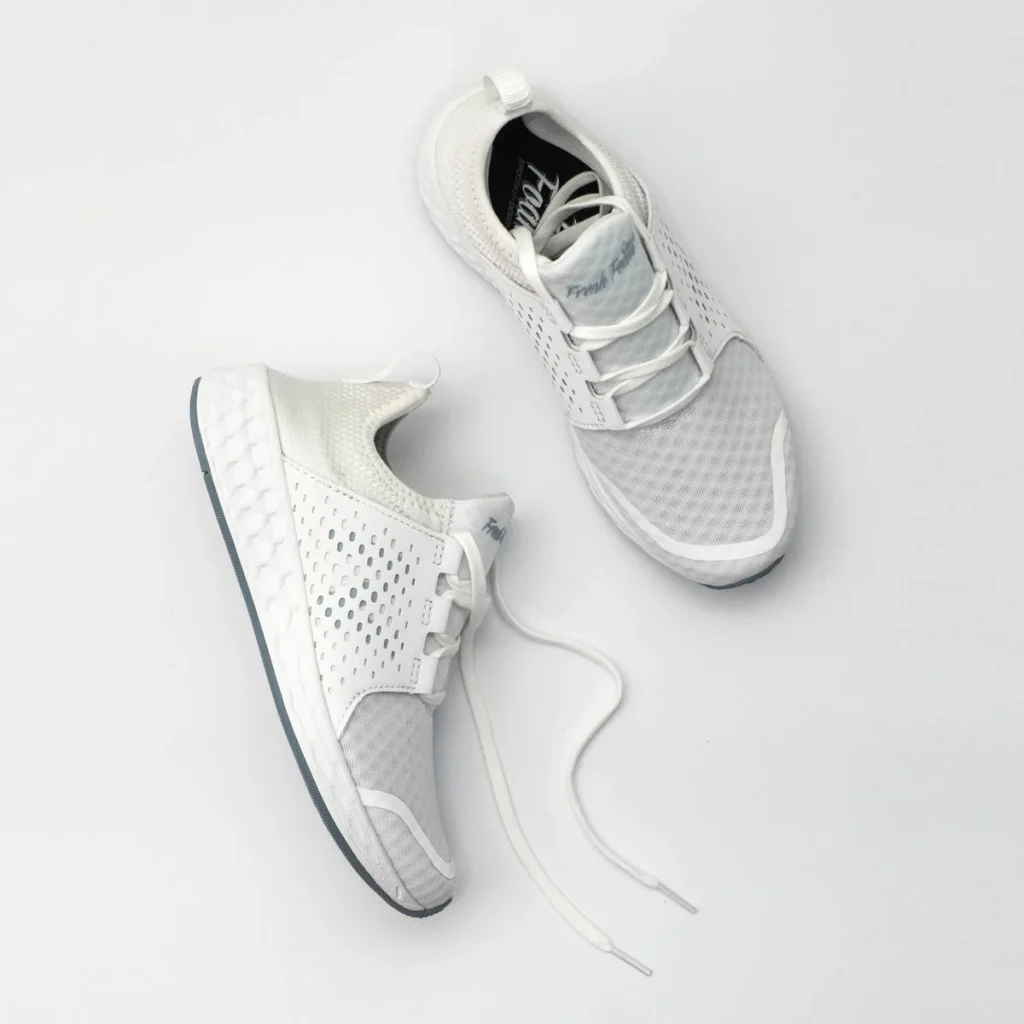
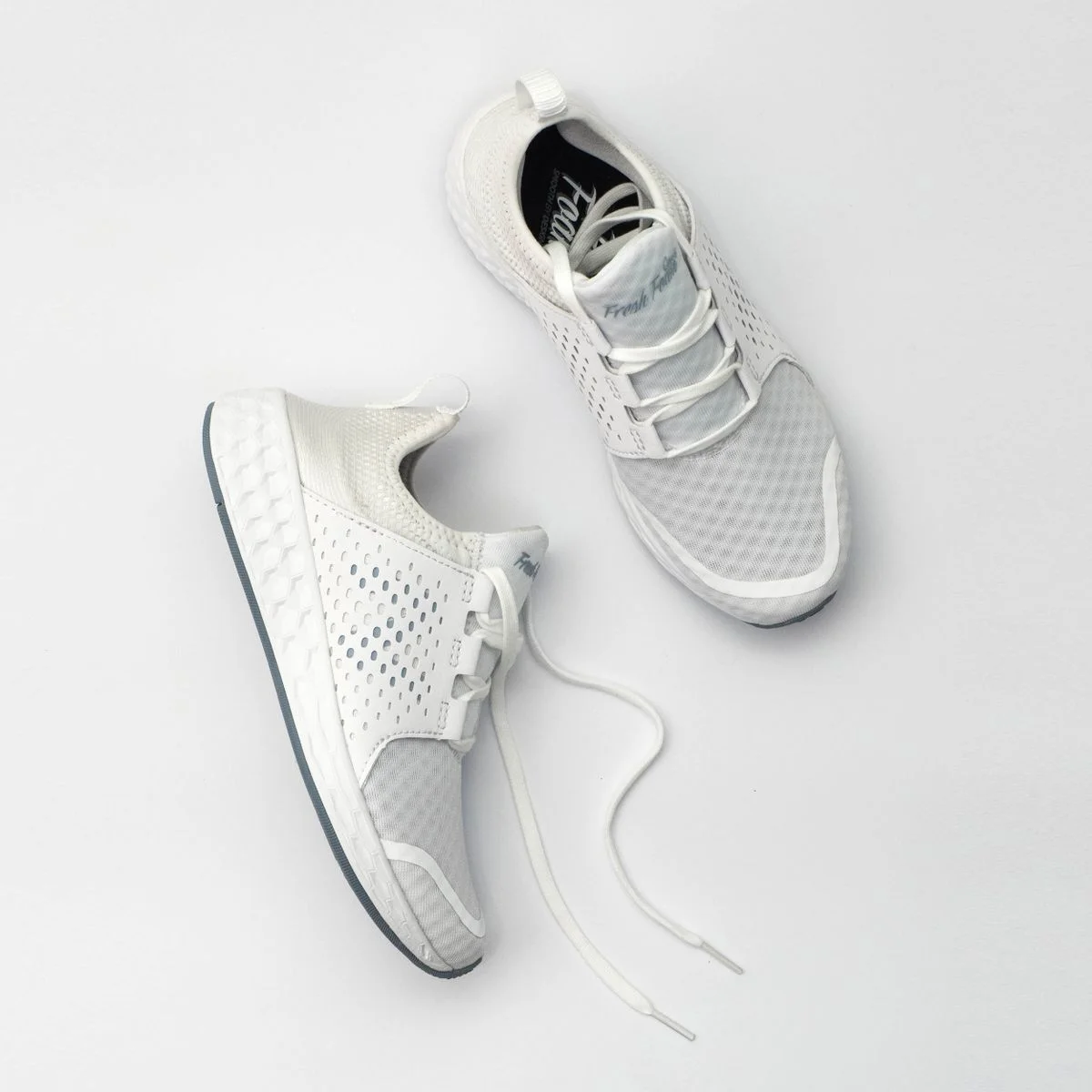
New Balance has taken a different approach, focusing on 3D printed midsoles for its Fresh Foam X line. The company’s TripleCell platform uses reagent-based photopolymerization to create midsole structures with precise zone-by-zone cushioning, allowing athletes to get shoes tuned to their specific gait and weight.
Fashion Meets Function
The 3D printing revolution in footwear isn’t limited to athletic shoes. High fashion has embraced the technology as well. Alexander Wang recently debuted Griphoria, described as the first 3D printed stiletto, blending avant-garde design with additive manufacturing precision. The shoe features an intricate lattice heel structure that would be impossible to produce with traditional manufacturing methods.
Even pop culture is getting involved. Justin Bieber’s latest sneaker collaboration, the Earth Bender, features 3D printed components made from recycled ocean plastics, combining celebrity influence with sustainable manufacturing. The sneaker generated significant buzz on social media, with pre-orders selling out within hours.

The Material Science Breakthrough
Behind these consumer products lies a quiet revolution in materials. Traditional 3D printing materials like PLA and ABS were too brittle or flexible for footwear. But new photopolymer resins and thermoplastic elastomers have changed the equation.
Carbon’s RPU (Rigid Polyurethane) and EPU (Elastomeric Polyurethane) resins offer the durability and flexibility needed for shoe components. BASF’s Ultracur line provides materials with UV resistance and weather durability suitable for outdoor footwear. These advances mean 3D printed shoes can now withstand the same wear and tear as traditionally manufactured footwear.
Researchers at Eindhoven University of Technology are pushing boundaries further with “living” shoe soles — materials that can adapt their shape and firmness based on temperature and pressure, creating shoes that literally respond to the wearer’s movement in real time.
Why Customization Changes Everything
The real game-changer isn’t just the manufacturing method — it’s the customization potential. Traditional shoe manufacturing relies on standardized lasts and molds, forcing consumers to choose from fixed sizes and shapes. 3D printing flips this model entirely.
Companies like Wiivv and SOLS now offer shoes designed from smartphone foot scans, creating custom insoles and midsoles tailored to each customer’s unique foot geometry. This level of personalization was previously available only to elite athletes at thousands of dollars per pair. Now, it’s accessible to everyday consumers at prices approaching mass-market footwear.
For athletes, this means shoes optimized for their specific biomechanics. For people with foot conditions, it means orthotic solutions that don’t look like medical devices. For fashion-conscious consumers, it means truly unique designs that can’t be found on any shelf.
The Sustainability Angle
3D printed footwear also addresses growing consumer concerns about sustainability. Traditional shoe manufacturing generates significant waste — cutting patterns from flat sheets of material leaves up to 30% of the material as scrap. 3D printing is an additive process, using only the material needed for the final product.
Several brands are now using recycled materials in their 3D printed shoes. Adidas has experimented with ocean plastic filaments, while smaller companies like Vivobarefoot offer 3D printed shoes made from plant-based polymers. The ability to print shoes on demand also reduces inventory waste, as products are made only when ordered rather than manufactured in advance and stored in warehouses.
How TT3DPrint Can Help
The 3D printed footwear trend demonstrates the growing demand for custom, high-quality 3D printed products. At TT3DPrint, we specialize in FDM and resin-based custom printing services that can bring your footwear designs to life — from prototype soles and midsoles to fully custom shoe components.
Our Bambu Lab printing cluster can handle everything from small-batch production of custom insoles to larger runs of shoe components. Whether you’re a footwear designer prototyping a new concept, a brand looking for small-batch production, or an individual seeking custom-fit shoe parts, our team can deliver high-quality results with fast turnaround times.
We work with a range of flexible and rigid materials suitable for footwear applications, including TPU, PETG, and PLA variants. Our team can help you choose the right material and printing method for your specific application, ensuring durability, comfort, and aesthetic appeal.
Conclusion
3D printed footwear has moved from concept to reality, driven by advances in materials science, growing consumer demand for customization, and increasing awareness of sustainability. As the technology continues to mature, we can expect to see 3D printed shoes become an increasingly common sight on streets and in stores worldwide.
The convergence of fashion, technology, and sustainability in 3D printed footwear represents one of the most exciting applications of additive manufacturing today. For brands and designers, the message is clear: the future of footwear is being printed, one layer at a time.
Sources: 3D Printing Industry, 3DPrint.com, VoxelMatters, Eindhoven University of Technology, Sporting Goods Intelligence Europe
Need Custom 3D Printing?
At TT3DPrint, we specialize in custom FDM 3D printing for figurines, prototypes, educational tools, and creative gifts. Whether you need a one-off prototype or a batch of custom products, we deliver worldwide.