How 3D Printing Is Revolutionizing Dental Care in 2026
Introduction
The dental industry is undergoing a silent revolution. While patients sit in their dentist’s chair, 3D printing technology is quietly transforming how crowns, bridges, aligners, and implants are designed and manufactured. In 2026, the global dental 3D printing market is valued at approximately $6.2 billion, and it’s projected to reach $26.7 billion by 2033, growing at a compound annual growth rate of over 20%.
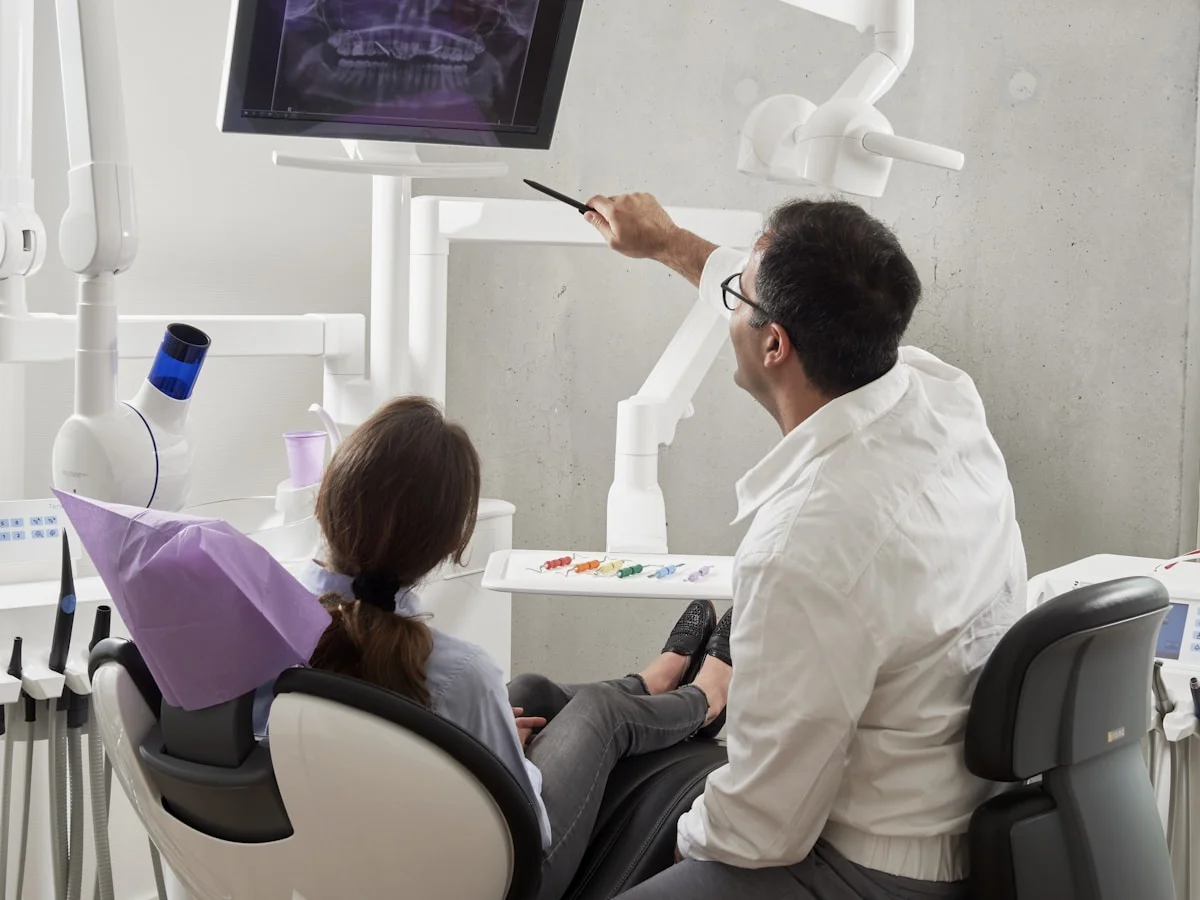
What was once a niche technology reserved for large dental laboratories has become an essential tool for clinics worldwide. The shift from traditional analog methods to digital workflows is not just about efficiency—it’s about delivering better patient outcomes with unprecedented precision.
The Rise of Digital Dentistry
Digital dentistry combines 3D scanning, CAD software, and 3D printing to create a seamless workflow from diagnosis to final restoration. Instead of taking messy physical impressions with alginate trays, dentists now use intraoral scanners to capture precise 3D models of patients’ teeth in minutes.
These digital scans are then processed through specialized software that allows technicians to design dental restorations with micron-level accuracy. Once the design is complete, 3D printers produce the physical restoration—whether it’s a crown, bridge, or surgical guide—often within hours rather than days.
7 Key Applications of 3D Printing in Dentistry
1. Crowns and Bridges
3D-printed crowns and bridges offer superior fit and aesthetics compared to traditional methods. Modern dental 3D printers can achieve layer resolutions as fine as 25 microns, ensuring perfect marginal adaptation. The process reduces turnaround time from 2-3 weeks to same-day delivery in many cases.
2. Clear Aligners
Companies like Invisalign have popularized 3D-printed clear aligners, but the technology has become accessible to independent dental practices. Each aligner is custom-printed based on a patient’s unique treatment plan, allowing for gradual tooth movement with precise control.
3. Surgical Guides
For dental implant procedures, 3D-printed surgical guides ensure precise implant placement. These guides are designed from CBCT scans and 3D intraoral data, reducing surgical time and improving outcomes. Studies show that guided surgery reduces implant placement errors by up to 40%.
4. Dental Models
3D-printed dental models serve as physical references for treatment planning, patient education, and appliance fabrication. These models are used for diagnostic purposes, wax-up procedures, and creating retainers.
5. Temporary Restorations
While permanent restorations are being manufactured, patients can receive 3D-printed temporary crowns and bridges. These provisionals maintain function and aesthetics during the healing period.
6. Implant Abutments
Custom implant abutments can be 3D-printed in biocompatible materials, ensuring optimal soft tissue support and emergence profile. This customization improves both the functional and aesthetic outcomes of implant procedures.
7. Dentures
Full and partial dentures can be 3D-printed with high accuracy, reducing the number of adjustment appointments. The digital workflow also allows for easy reproduction if a denture is lost or damaged.
Market Drivers and Growth Factors
Several factors are fueling the rapid adoption of 3D printing in dentistry:
- Cost Reduction: 3D printing reduces material waste and labor costs. A single crown that costs $50-100 to produce via traditional methods can be manufactured for $5-15 using 3D printing.
- Speed: Same-day restorations eliminate the need for multiple appointments, improving patient satisfaction and practice efficiency.
- Precision: Digital workflows achieve accuracy levels impossible with manual techniques, reducing remakes and adjustments.
- Customization: Every restoration is unique to the patient, ensuring better fit and comfort.
- Material Innovation: New biocompatible resins and ceramics are expanding the range of 3D-printable applications.
Technology Leaders in Dental 3D Printing
The dental 3D printing market features several key players driving innovation:
- SprintRay Pro 2: A desktop 3D printer designed specifically for dental applications, offering high resolution and biocompatible材料 compatibility.
- Formlabs Form 4B: Known for its ease of use and extensive material library, popular with dental labs and clinics.
- Stratasys J5: An industrial-grade printer capable of producing multi-material and multi-color restorations.
- SHINING 3D Dental: Specializes in complete digital dentistry solutions, from scanners to printers.
Asia-Pacific: The Fastest Growing Market
The Asia-Pacific region stands out as the fastest-growing market for dental 3D printing in 2026. Rising oral health awareness, expanding healthcare infrastructure, and increasing adoption of digital technologies in countries like China, India, and South Korea are driving this growth.
In China alone, the dental 3D printing market is expected to grow at a CAGR of over 25% through 2030, fueled by a large patient population and government initiatives to modernize healthcare delivery.
How TT3DPrint Can Help
At TT3DPrint, we understand the precision and quality requirements of dental applications. While we specialize in custom FDM 3D printing for figurines, prototypes, and educational tools, our expertise in high-quality, detailed printing translates well to related medical and dental applications.
Whether you need custom dental models for patient education, surgical planning tools, or prototype dental devices, our Bambu Lab cluster delivers consistent quality with tight tolerances. We offer:
- Rapid Prototyping: Test dental device designs quickly before committing to final production.
- Custom Solutions: Tailored printing for unique dental applications and research projects.
- Batch Production: Scalable manufacturing for dental labs requiring consistent quality across multiple units.
- Material Expertise: Experience with various filaments including biocompatible options suitable for dental applications.
Contact us at tt3dprint.com/contact to discuss your dental 3D printing needs.
Conclusion
The dental industry’s embrace of 3D printing technology represents a paradigm shift in how dental restorations are designed, manufactured, and delivered. With the market projected to grow exponentially over the next decade, practices that adopt digital dentistry workflows will gain a competitive advantage through improved patient outcomes, reduced costs, and enhanced operational efficiency.
As materials and printing technologies continue to advance, we can expect even more innovative applications—from bioprinted tissues to fully integrated digital smile design workflows. The future of dentistry is digital, and 3D printing is leading the way.