From Creative Prototype to Mass Production, One-Step 3D Printing
How ZB Designs Turned 3,000 Bambu Lab Printers Into a Toy of the Year Winner
By
/ 2026年7月15日
How ZB Designs Turned 3,000 Bambu Lab Printers Into a Toy of the Year Winner
2026-07-15 ·
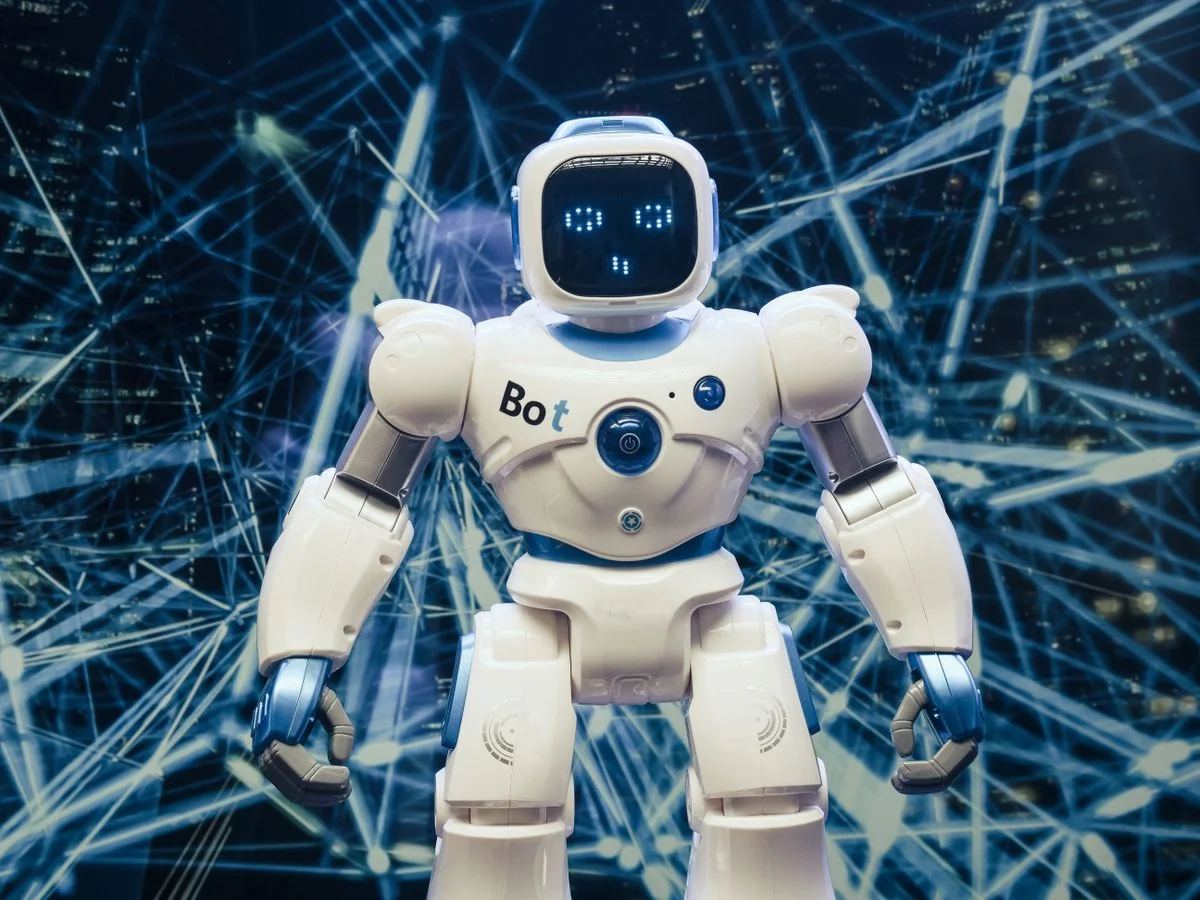
ZB Designs operates over 3,000 Bambu Lab X1C printers — Photo credit: Pexels
From One Printer to Toy of the Year
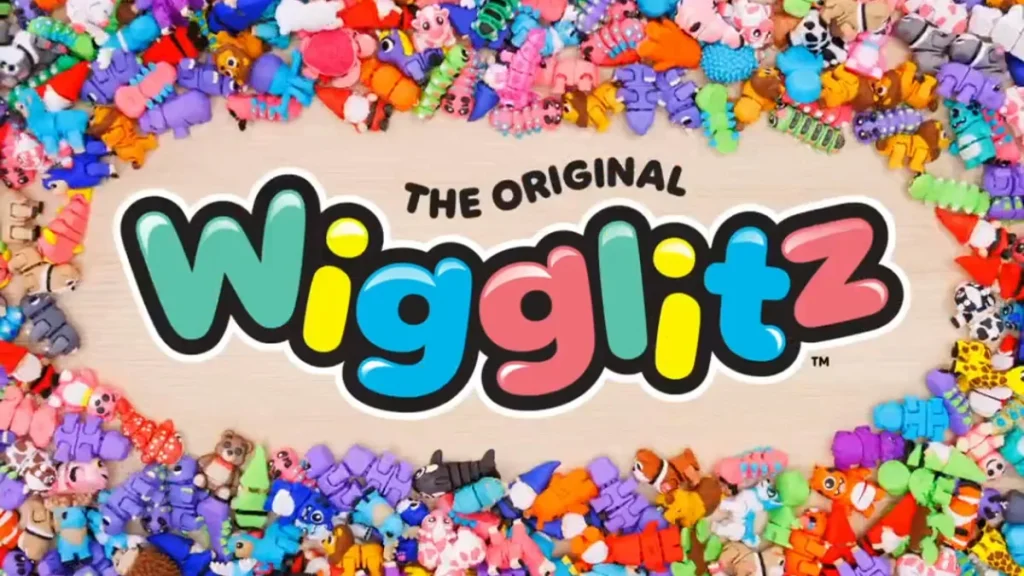
On February 13, 2026, in New York City, a pair of college-age entrepreneurs achieved something that no 3D printing company had ever done before. Zack and Berkley Bailey, co-founders of ZB Designs, watched as their 3D-printed Wigglitz was named Collectible Toy of the Year at The Toy Foundation’s 26th annual Toy of the Year (TOTY) Awards — beating global giants like Pokémon, Disney, LEGO, and Hot Wheels.
What makes this story remarkable isn’t just the award. It’s the journey: from a single 3D printer bought as a college side hustle to a print farm of over 3,000 Bambu Lab X1C printers in Utah, producing thousands of collectible toys every day. In just three years, ZB Designs has become the largest 3D print farm in the United States — and they’re just getting started.
The Rise of Wigglitz
The Baileys started where many 3D printing entrepreneurs begin: as fans. They supported independent designers like Zou3D, purchasing articulated creature designs to print and sell. But as their understanding of the market deepened, they realized that to stay ahead of the curve, they needed to create their own designs.
That pivot transformed ZB Designs. Every product in the Wigglitz catalog is now designed, manufactured, and shipped directly from their Utah facility. Each creature is branded with a tiny “W” — a mark of authenticity that collectors have come to recognize and trust.
The product line has expanded rapidly, with collectible themes including Ocean, Puppies, Originals, Fantasy, and the newest addition, Foodz. Fresh in-house designs are continuously in development, keeping the brand fresh and collectors coming back for more.
Why the Print Farm Model Works
The secret behind ZB Designs’ success is a fundamental shift in how toys are made. Traditional toy manufacturing requires expensive injection molds, long lead times, and massive minimum order quantities. A single mold can cost tens of thousands of dollars, and once created, the design is locked in.
3D printing flips this model on its head. With a print farm of 3,000 Bambu Lab X1C printers, ZB Designs can:
Design and produce new products in days, not months — no mold costs, no minimum orders
Test designs with minimal risk — produce small batches, gauge demand, scale what works
Offer hundreds of unique designs — something impossible with traditional manufacturing
Respond to trends instantly — new themes and characters can go from concept to shelf in weeks
The Bambu Lab X1 Carbon was the catalyst. As 3DPrint.com noted, the X1C “made starting a 3D printing business profitable, allowing makers to crank out plates full of colorful fidgets to sell at festivals, markets, and on Etsy.” For ZB Designs, the X1C’s multicolor printing capability and reliability at scale made it the ideal production machine.
From Etsy to Target: Breaking Into Mass Retail
What sets ZB Designs apart from other 3D printing farms is their distribution strategy. Wigglitz toys are sold online through ZB Designs’ own website, and by the bin at specialty toy stores where kids can select their own mix. But the real breakthrough came through a distribution partnership with Moose Toys, which landed Wigglitz mystery packs on the shelves of retail giants like Target.
This is a milestone for the entire 3D printing industry. It proves that 3D-printed products can compete — and win — in the mass retail market, not just in niche online communities.
Sustainability and the Road Ahead
One challenge of large-scale FDM printing is filament waste. X1C printers are known for generating significant amounts of purge waste during multicolor prints. The Wigglitz team is acutely aware of this, and Lead Design Engineer Preston Howe has confirmed that a filament recycling machine is in development at the company.
This commitment to sustainability, combined with the inherent advantages of on-demand manufacturing (no overproduction, no warehouse waste), positions ZB Designs as a model for the future of responsible toy production.
What This Means for the 3D Printing Industry
ZB Designs’ TOTY win sends a clear message: 3D printing has moved beyond prototyping and hobbyist projects. It is now a viable mass production technology for consumer products. The combination of affordable, reliable printers like the Bambu Lab X1C, accessible design tools, and direct-to-consumer distribution channels has created a new pathway for entrepreneurs to compete with established brands.
For anyone considering a 3D printing business — whether producing figurines, educational tools, custom parts, or collectibles — the ZB Designs story is both inspiration and proof of concept. The barriers to entry have never been lower, and the potential market has never been larger.
How TT3DPrint Can Help
At TT3DPrint, we operate a similar production model with a 220-unit Bambu Lab printer cluster, specializing in custom FDM 3D printing for figurines, educational models, creative gifts, and prototype production. Whether you need a one-of-a-kind custom piece or a batch of collectible products, we deliver worldwide with the same speed and quality that brands like Wigglitz have proven possible.
Ready to bring your ideas to life? Contact us for a quote and discover how 3D printing can transform your next project.