How AI Catches 3D Printing Defects in Real Time
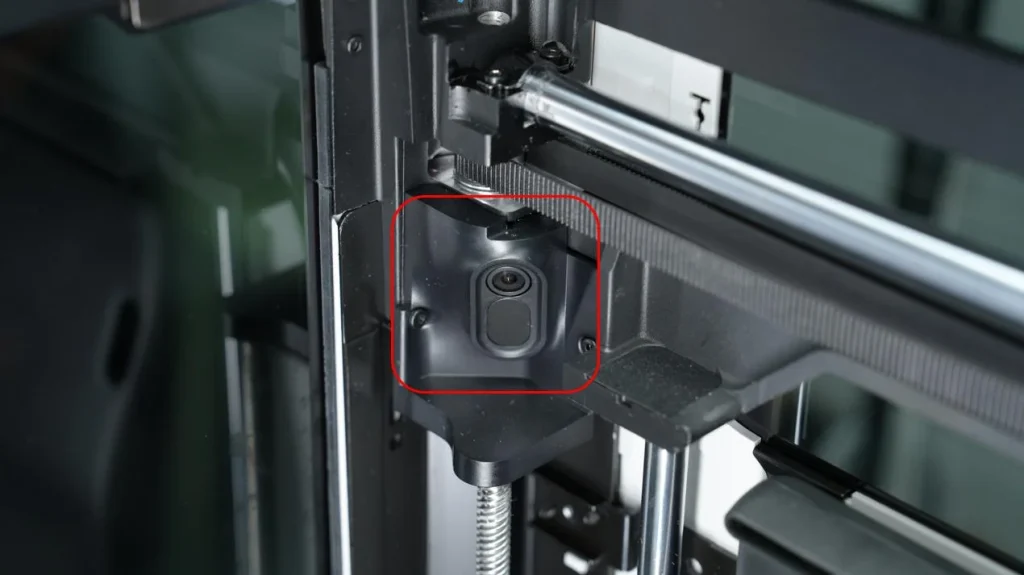
One of the most frustrating truths about FDM 3D printing is that you usually don’t know a print has failed until it is already finished. By the time you peel a tangled nest of “spaghetti” off the build plate, hours of machine time and meters of filament are gone. For years, the industry has talked about giving printers eyes. In 2026, that promise is finally becoming real: researchers have demonstrated a dual-camera, AI-powered defect detection system that runs on cheap hardware and watches every layer as it is laid down — and the same class of technology is already shipping inside consumer printers.
The Study: Real-Time Defect Monitoring with Optimized YOLO Models
Covered this week by Hackster.io, a study published in Progress in Additive Manufacturing (Springer) presents what the authors describe as the first applied demonstration of a real-time, dual-camera defect-detection system running on a low-cost embedded platform during active printing.
The team built a custom dataset of four of the most common and costly extrusion defects:
- Stringing — fine wisps of filament dragged between parts of the model
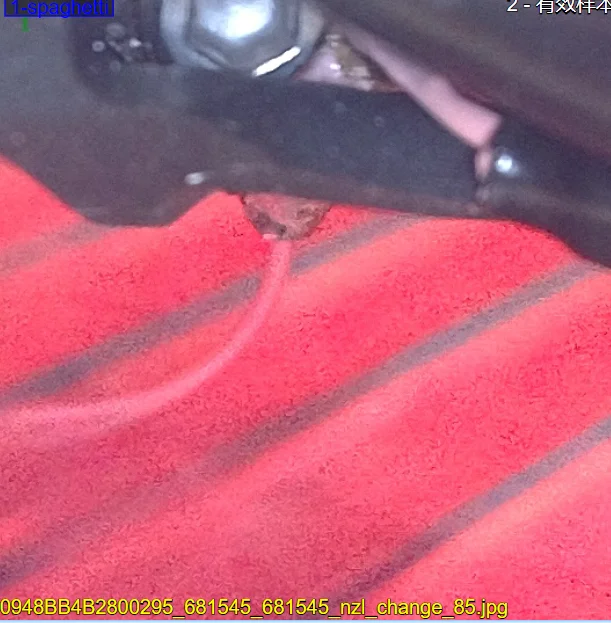
- Spaghetti — collapsed layers piling up into a tangled mess
- Under-extrusion — too little material, leaving gaps and weak walls
- Over-extrusion — too much material, ruining dimensional accuracy
Using transfer learning, they fine-tuned lightweight YOLOv11n and YOLOv12n object-detection models on that dataset, then deployed them on inexpensive embedded hardware paired with two cameras watching the print from different angles. The result is a system that flags defects while the nozzle is still moving — not hours later.
Why Two Cameras Matter
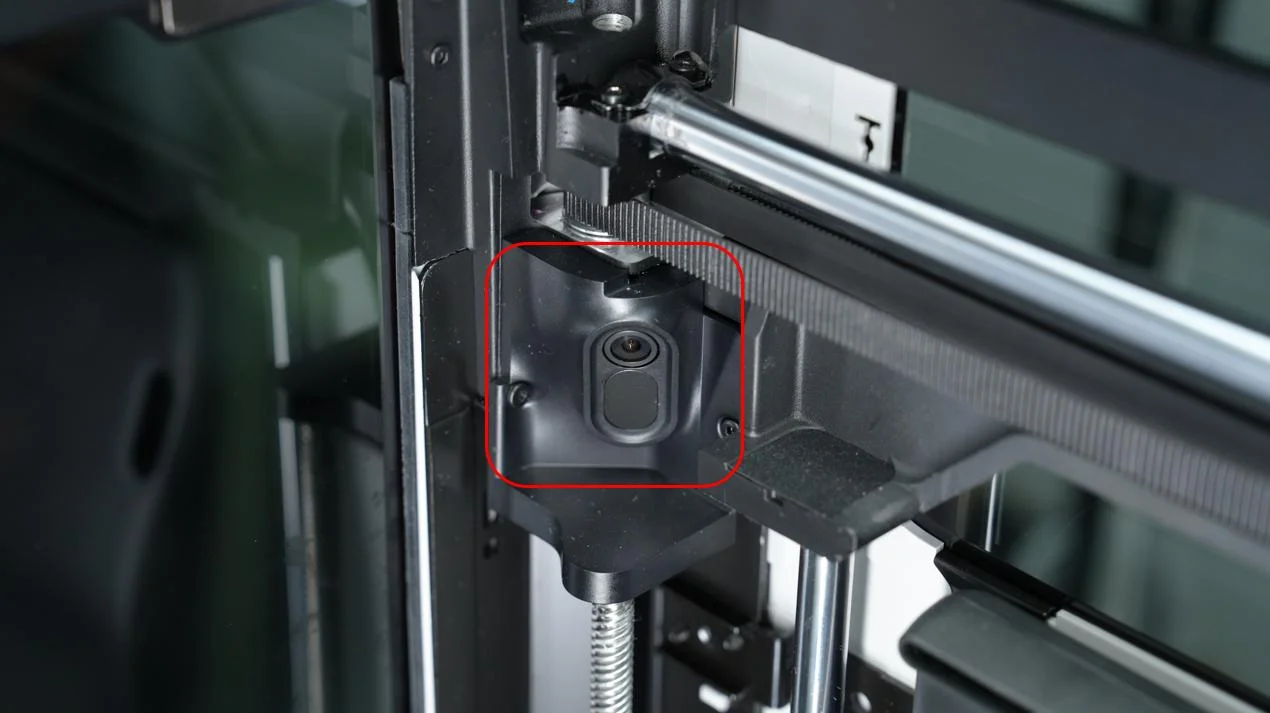
Anyone who has used a single print-bed camera knows the blind spots. A webcam fixed at the front of the machine can miss defects on the far side of a tall part, and a nozzle-mounted camera only sees what passes directly beneath it. The dual-camera setup in the study solves this geometrically: two viewpoints mean fewer occlusions and a much higher chance of catching a failure in the layer where it happens.
This is the same logic that makes human inspection work — and the reason manual inspection does not scale. When you run dozens or hundreds of machines, nobody can watch every print. A $50 embedded board with two cameras and a quantized nano-scale detection model can.
It’s Already Inside Your Printer
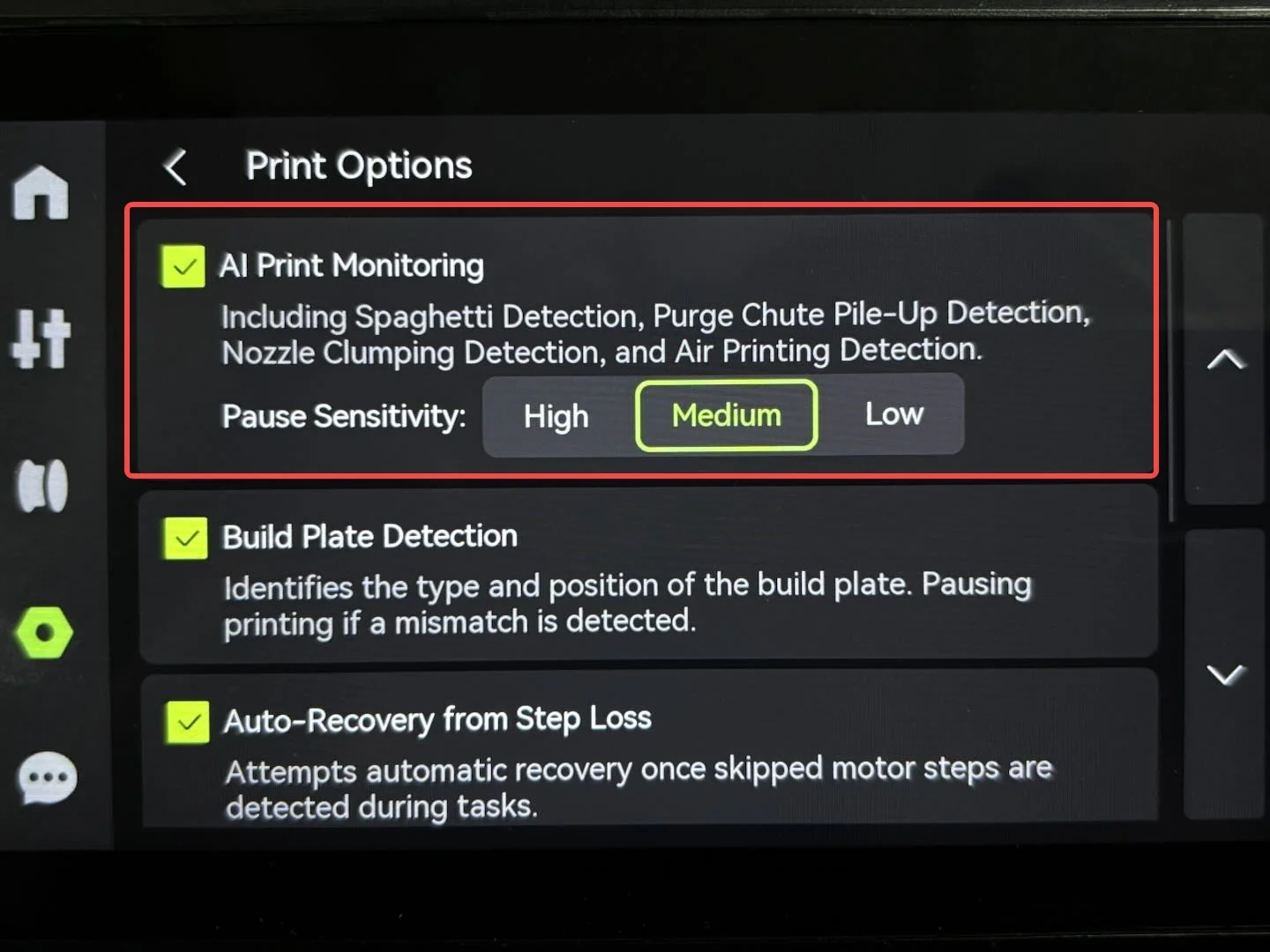
While the academic work pushes accuracy and cost boundaries, consumer hardware has quietly adopted the same idea. Bambu Lab’s current machines ship with an “AI Print Monitoring” suite that includes spaghetti detection, purge-chute pile-up detection, nozzle clumping detection, and air-printing detection, with adjustable pause sensitivity.
These systems are good, but they are not infallible. Bambu’s own documentation maps out non-detection zones and blind areas on the build plate where problems can slip through. That is exactly where research like the dual-camera YOLO study points next: multi-angle coverage, better models, and open-source tooling like Obico and Klipper failure-detection plugins that bring the same capability to any printer.
Beyond FDM: Watching Parts Being Born
The trend is not limited to filament printers. Researchers at Lawrence Livermore National Laboratory (LLNL), as reported by Interesting Engineering, have built a camera-based inspection system for direct ink writing that combines on-printer cameras with machine-learning image segmentation. The system converts thousands of in-print images into detailed measurements and spatial maps of deposited material — catching defects up to 100,000 times faster than manual inspection, according to the lab. Project technical lead Brian Weston describes the result simply: a brain paired with a set of eyes, watching the part take shape.
For industries where a hidden gap inside a part can mean a failed component, layer-by-layer AI inspection is the difference between scrapping a print after 40 hours and fixing it at layer 200.
What This Means for Print Farms and Custom Printing
For a production environment, real-time defect detection changes the economics of 3D printing in three concrete ways:
- Less waste. Catching a failure in the first few layers stops a bad job before it consumes a full spool of material.
- Higher effective capacity. Machines that can be trusted to pause themselves overnight can be scheduled around the clock without babysitting.
- Consistent quality. Every part gets the same vigilant inspection — no fatigue, no sampling gaps.
When your fleet grows past a handful of printers, camera-plus-AI monitoring stops being a gadget and becomes infrastructure.
How TT3DPrint Can Help
At TT3DPrint, we operate a large fleet of Bambu Lab FDM printers for custom figurines, educational models, prototypes, and creative products. Modern print monitoring — from first-layer inspection to failure detection — is part of how we keep large batch orders consistent and on schedule. If you need custom multi-color prints with production-level quality control, contact us for a quote, and we’ll handle the rest.
Conclusion
For most of its history, 3D printing has been a blind process: you start the job and hope. With lightweight YOLO models on $50 hardware, dual-camera rigs, and AI monitoring baked into consumer printers, the print bed is finally getting its eyes. In 2026, the question is no longer whether machines can watch themselves print — it’s how quickly you can put that capability to work.
Sources: Hackster.io · Progress in Additive Manufacturing (Springer) · Interesting Engineering / LLNL · Bambu Lab Wiki