LEGO’s First Mass-Produced 3D Printed Element Is Now in Stores
Introduction: A Tiny Blue Locomotive Makes Toy History
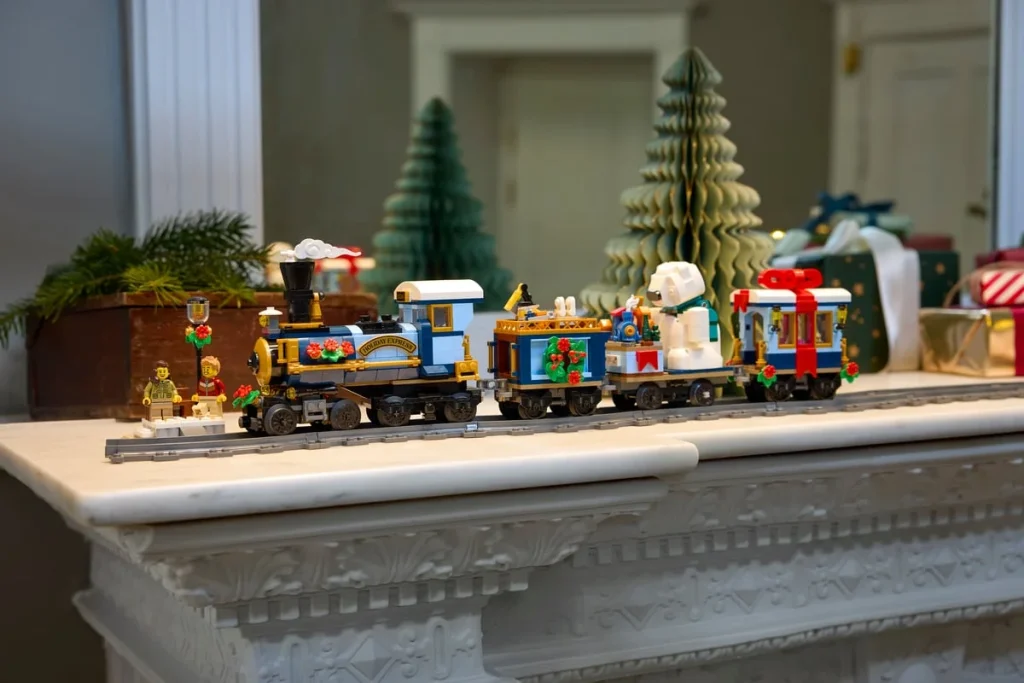
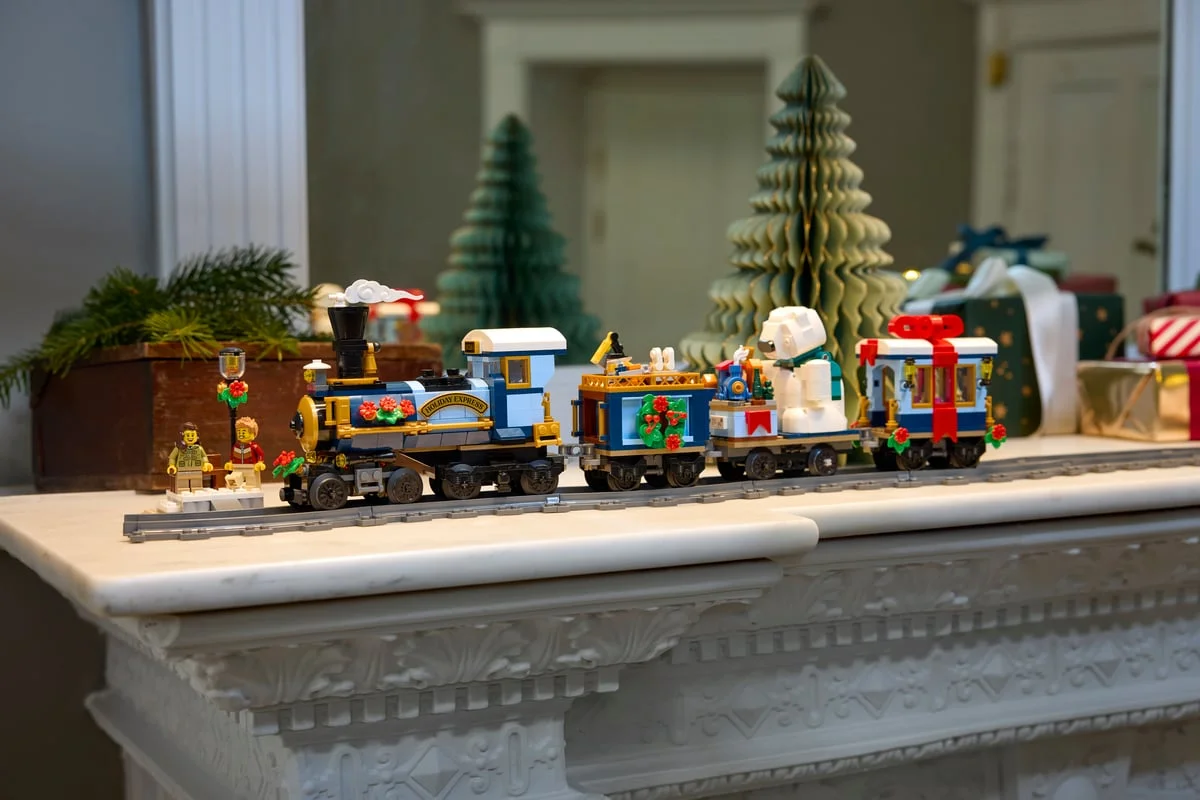
When LEGO fans opened the LEGO Icons Holiday Express Train (10361) set in October 2025, most saw a festive 956-piece build with a chugging smokestack and a bell-ringing polar bear. Hidden in plain sight, however, was a genuine piece of manufacturing history: the miniature blue locomotive riding aboard the set is the first 3D printed element ever sold at retail in a LEGO product.
“It’s a milestone,” said Ronen Hadar, Head of Additive Design and Manufacturing at the LEGO Group. “This feels like a move similar in magnitude to when our founders purchased their first injection moulding machine back in the late 1940s!” For the toy industry — and for anyone in the business of custom 3D printed toys and figurines — the moment carries lessons far beyond a single holiday set.
Nine Years From Lab Prototype to Production Line
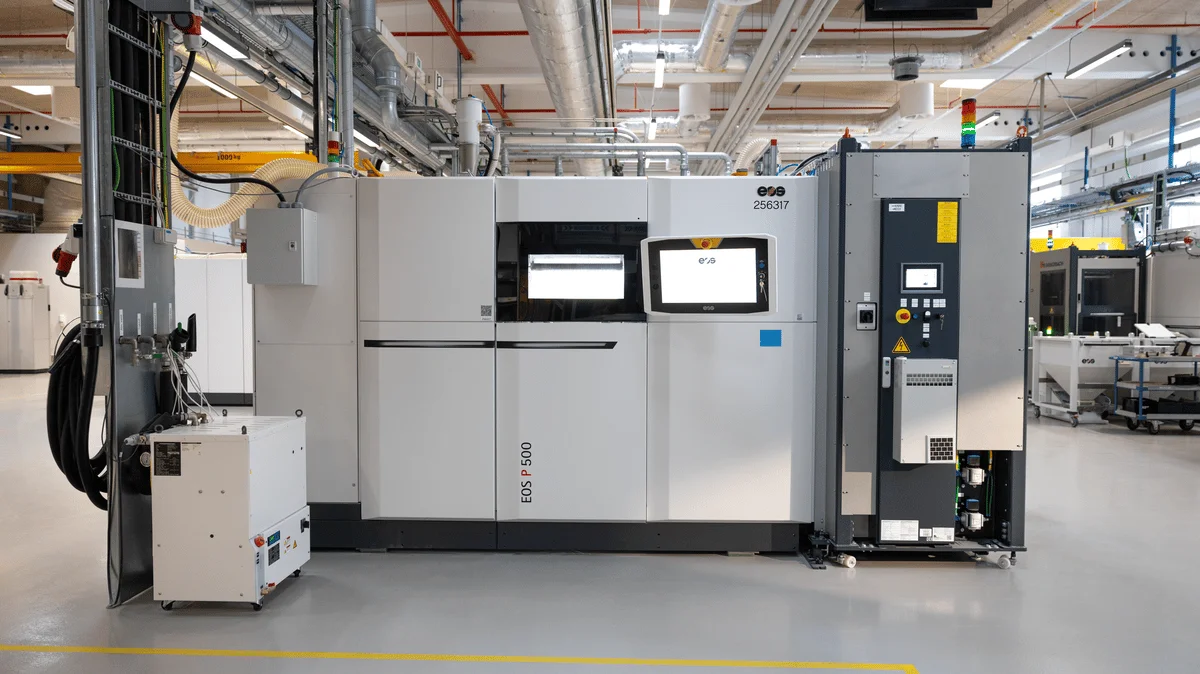
LEGO designers have used 3D printers for prototyping for over a decade, but lab prints and retail-grade parts are two different worlds. A single prototype piece can take hours to print — nowhere near the throughput a global product launch demands. According to LEGO, its Billund-based additive team spent nine years developing a high-throughput polymer additive manufacturing process able to produce high-quality elements at industrial scale, effectively inventing the workflow from scratch.
The result is not a replacement for injection moulding — LEGO is explicit that moulding remains the best way to make bricks by the billion. Instead, additive manufacturing unlocks geometries and functions that moulds simply cannot produce. “We can make all kinds of geometries that are not possible with injection moulding,” Hadar explained — “bricks with internal mechanisms, for example.”
Why the Miniature Train Could Only Be 3D Printed
The miniature locomotive is a scaled-down replica of the set’s main engine, and it comes with moving parts: spinning wheels and a chimney that puffs up and down as the train rolls. Designer Bo Park Kristensen and set designer Jae Won Lee worked with the additive team to engineer a geometry impossible to demould from a traditional tool.
LEGO had previously released small runs of 3D printed items — a drafting arm, a duck, a pogo stick — but the Holiday Express miniature is the first printed piece produced at scale and distributed through a standard commercial set. “It could have been many things,” Kristensen said. “But in the end, we decided that this train would be the first mass-produced 3D print in a LEGO box.”
What This Means for the 3D Printed Toy Market
LEGO’s debut lands amid a broader mainstreaming of 3D printed toys. Print farms running thousands of desktop machines now supply fidget clickers and sensory toys to retail shelves, and trade fairs such as Spielwarenmesse have seen 3D printed toys move from novelty booths to mainstream exhibitors. Cost studies, including a widely cited MTU analysis on the cost-efficiency of 3D printed toys, consistently show that for low-to-mid volume runs with high customization, additive manufacturing beats moulding on total cost once tooling is factored in. The message from Billund is that additive manufacturing has matured on two fronts at once:
- Complexity advantage: internal mechanisms, articulated parts, and integrated assemblies in a single print — features that drive play value.
- Economic viability: high-throughput processes are making serial production of printed parts realistic, not just one-off customs.
For custom printing businesses, this is validation at the highest level. The same core advantages — no tooling costs, fast iteration, and geometry freedom — are exactly what make 3D printing ideal for bespoke figurines, personalized gifts, and small-batch product runs that would be uneconomical with injection moulding.
How TT3DPrint Can Help
At TT3DPrint, we run a large Bambu Lab FDM print farm specializing in custom figurines, educational tools, and creative gifts. Whether you need a single articulated prototype or a batch of hundreds, 3D printing lets us skip the mould entirely — which means your custom design moves from file to finished product in days, not months. Contact us for a quote and see what additive manufacturing can do for your next product idea.
Conclusion
LEGO’s miniature blue locomotive is a small part with big implications: when the world’s most iconic toy maker ships its first mass-produced 3D printed element, the technology has clearly crossed from the prototyping bench to the production line. For makers, designers, and brands, the takeaway is simple — 3D printed toys are no longer a niche. They are the next chapter of manufacturing, and that chapter is already in stores.