How Gen Z in China Is Embracing Custom 3D-Printed Figurines
The Rise of Guzi: How Gen Z in China Is Turning Themselves Into Collectible Figurines
A cultural phenomenon is sweeping across China, and it’s powered by 3D printing. Millions of young Chinese consumers — primarily Generation Z — are embracing a trend called “guzi” (谷子), where they commission personalized, 3D-printed miniature figurines of themselves, their favorite characters, and even their pets. What started as a niche hobby has exploded into a multi-billion-yuan market that’s reshaping the collectibles industry worldwide.
What Is Guzi Culture?
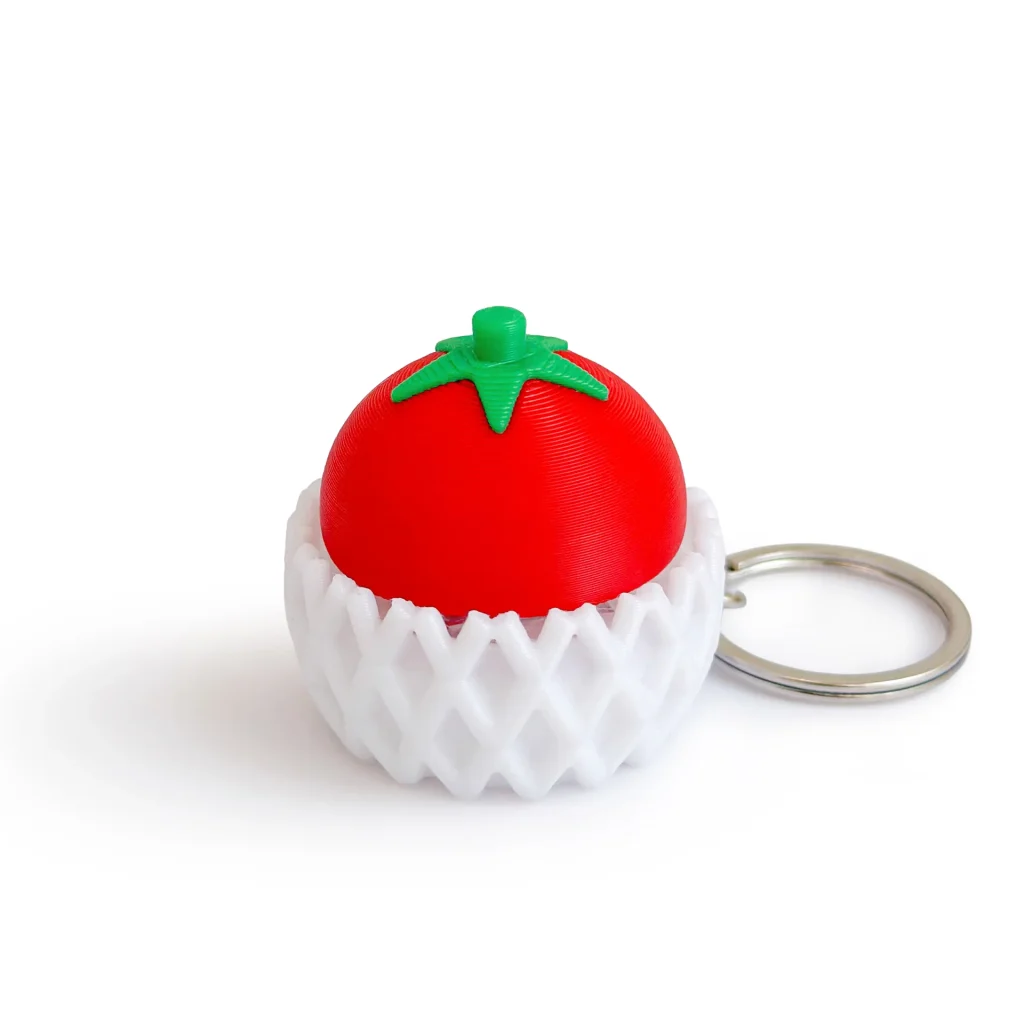
The term “guzi” (谷子) derives from the English word “goods” and refers to collectible merchandise — particularly character figurines, keychains, and other small items tied to anime, gaming, and pop culture IPs. But in 2026, guzi has evolved far beyond mass-produced blind boxes from companies like Pop Mart. Young Chinese consumers now demand personalized collectibles: miniature versions of themselves, their friends, and their beloved characters, all 3D printed in stunning detail.
The process typically involves a quick 3D body scan at a retail kiosk or using a smartphone app, followed by high-resolution full-color 3D printing. Within hours, customers receive a palm-sized figurine that captures every detail — from their hairstyle and clothing to facial expressions and accessories. The price point, usually between ¥100–500 ($14–70), makes it accessible to the student demographic driving this trend.
Social media platforms like Xiaohongshu (Little Red Book) and Douyin (TikTok China) have been instrumental in popularizing guzi culture. Users share their personalized figurines alongside collections of mass-produced characters, creating aspirational content that drives more demand. The hashtag #3D打印手办 has accumulated hundreds of millions of views, with users showcasing everything from wedding cake toppers to graduation commemoratives.
Why 3D Printing Is the Perfect Technology for Guzi
Traditional figurine manufacturing requires expensive molds and minimum order quantities that make one-off personalization economically unviable. 3D printing eliminates these barriers entirely. Each figurine is produced individually, with no tooling costs and no minimum orders. This makes it the ideal technology for the personalized collectibles market.
Several technological advances have accelerated the guzi trend in 2026:
- AI-powered 3D reconstruction — Tools like Tripo AI (which recently raised $50 million) can generate detailed 3D models from a single smartphone photo, eliminating the need for expensive body scanning equipment
- Full-color printing — Modern FDM and resin printers now produce figurines with vivid, durable color that doesn’t require post-painting
- Material innovation — New PLA blends offer improved detail resolution and surface finish, perfect for capturing facial features and clothing textures
- Automated workflows — AI agents can now handle the entire pipeline from photo to printable file, reducing production time from days to hours
The combination of these technologies has dramatically lowered the barrier to entry. Where producing a custom figurine once required a skilled sculptor and weeks of work, it can now be accomplished in a single afternoon with a smartphone and a 3D printer.
The Market Opportunity
The personalized collectibles market is growing at breakneck speed. Fortune Business Insights reports that the global 3D printing market is projected to reach $51.77 billion by 2026, with customized consumer products identified as a primary growth driver. In China alone, the guzi market is estimated to be worth over ¥10 billion ($1.4 billion), with personalized figurines representing the fastest-growing segment.
What makes this trend particularly exciting is its cultural universality. While guzi originated in China, the desire for personalized collectibles resonates globally. SnapFig, a US-based startup, recently launched a Mother’s Day campaign featuring custom 3D photo figurines — proof that the concept translates across cultures and demographics. In Europe, event organizers are commissioning custom figurines as VIP souvenirs at major sporting events and music festivals.
The business model is also proving scalable. Mobile 3D scanning kiosks are appearing in shopping malls across Tier 1 and Tier 2 Chinese cities, offering walk-in customers the chance to create their own figurines in under 30 minutes. Some operators report processing over 100 orders per day during peak seasons, with profit margins exceeding 60% thanks to the low marginal cost of 3D printing.
How TT3DPrint Can Help
At TT3DPrint, we operate a fleet of 220+ Bambu Lab 3D printers capable of producing high-quality personalized figurines at scale. Whether you’re a retailer looking to offer in-store figurine services, a brand wanting to create custom character collectibles, or an individual seeking a one-of-a-kind gift, our infrastructure and expertise can bring your vision to life.
Our services include:
- Custom figurine production — From 3D model to finished product, we handle the entire workflow
- Batch ordering — Perfect for event souvenirs, promotional items, or retail inventory
- Material selection — PLA, PETG, and specialty filaments to match your quality and budget requirements
- Global shipping — DHL, FedEx, and UPS delivery to over 100 countries
Ready to explore the personalized collectibles market? Contact us today for a custom quote.
Conclusion
The guzi revolution is more than a passing trend — it represents a fundamental shift in how young consumers relate to collectibles. By combining AI-powered 3D reconstruction with accessible 3D printing technology, personalized figurines have moved from luxury novelties to everyday consumer products. For businesses and creators, the message is clear: the future of collectibles is personalized, and 3D printing is the engine driving it forward.