3D Printed Clickers: The Pocket Fidget Trend of 2026
Introduction
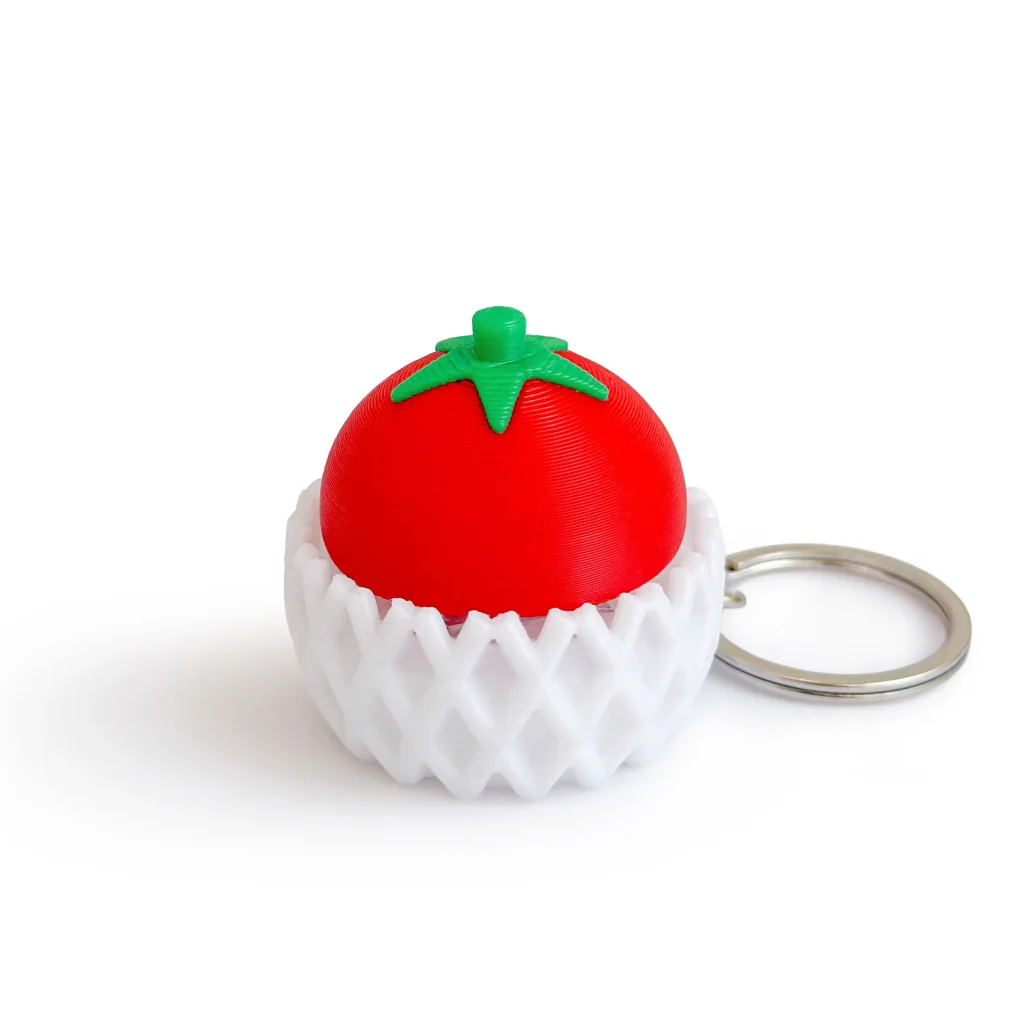
There is something oddly satisfying about the click of a pen — and in 2026, that tiny habit has grown into a full-blown product category. 3D printed clickers — small fidget toys built around real mechanical keyboard switches — have taken over social media feeds, pop-up malls, and online stores from Singapore to the United States.
One telling example: Singapore product designer Jennifer Ang’s brand Heyo Makers sold more than 1,000 food-inspired 3D printed fidget clicker keychains through pop-up shops by early 2026, offering over 400 keycap designs priced from S$8 to S$48 (CNA Lifestyle). What was once a niche for 3D printing enthusiasts is now a mainstream pocket accessory — and it is still accelerating.
What Exactly Is a 3D Printed Clicker?
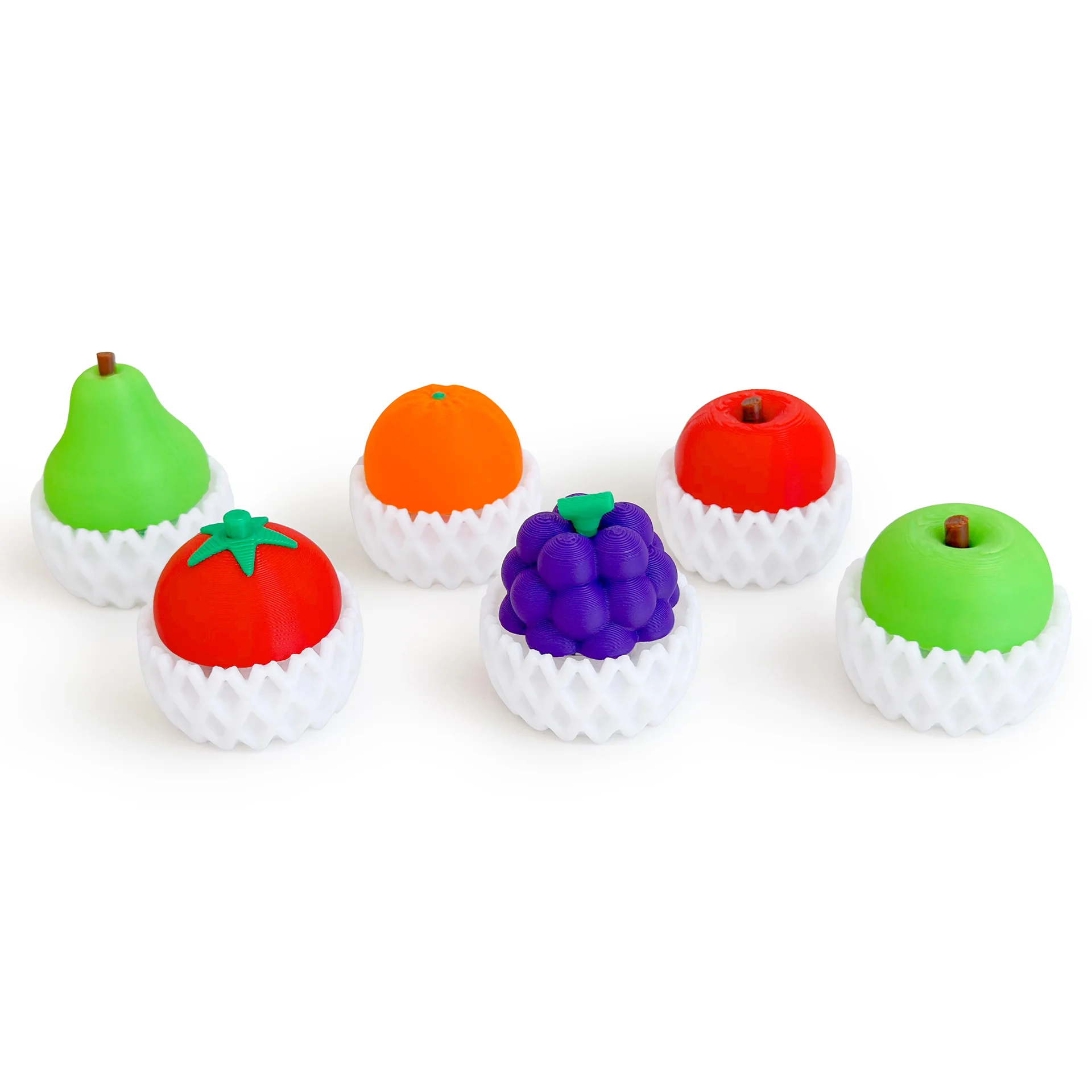
A 3D printed clicker is a small handheld toy that produces a crisp, tactile “click” every time you press it. Unlike cheap plastic fidget toys of the past, most clickers use a real mechanical keyboard switch — the same kind prized by keyboard enthusiasts — mounted inside a 3D printed shell. A typical unit is remarkably simple: just 2 to 6 parts, printed in durable PLA or PETG, with the switch snapped or screwed into place.
That simplicity is exactly the point. The printed body can be shaped into almost anything — a strawberry, an egg in a nest, a game console, a chocolate peanut butter cup — while the switch inside delivers the same satisfying feedback every time. Press, click, release. For many users, the sound and haptic snap are the whole appeal.
Why Clickers Blew Up in 2026
Several trends converged at once. First, the broader fidget toy market is booming: it was valued at roughly $8.82 billion in 2026 and is projected to reach $26.71 billion by 2035 (Business Research Insights). Second, 3D printed toys specifically are on a steep growth curve — QYResearch puts the market at about $475 million in 2026, forecast to hit $1.145 billion by 2032, a CAGR of 15.8%.
Behind those numbers sit three practical drivers:
- Social commerce. Short videos of clicking sounds travel extremely well on TikTok and Instagram, where a five-second clip can turn a design into an overnight bestseller.
- Affordable customization. 3D printing lets makers swap keycap designs constantly — food shapes, characters, local culture references — without expensive tooling. Heyo Makers alone lists 400+ designs.
- Office-friendly versions. A growing share of clickers use quieter switches and enclosed shells, marketed as desk tools for focus and stress relief rather than children’s toys.
From Desk Toy to Everyday Carry
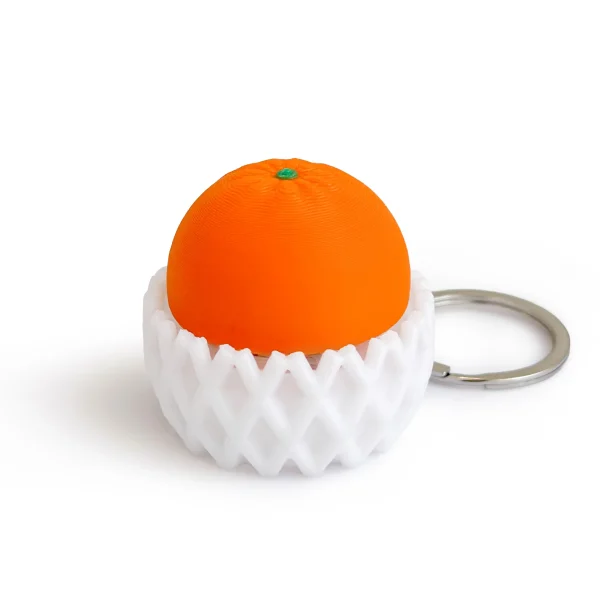
The biggest design shift of 2026 is portability. Early clickers were desk objects; today’s best-sellers are keychains. Adding a simple metal ring turns a fidget toy into an everyday carry (EDC) item that lives on your keys or bag — which is exactly why food-themed keychain clickers, from fruit to desserts, now dominate the category.
Collectibility matters too. Because designs are cheap to iterate, makers release seasonal series that buyers want to complete — much like enamel pins or blind-box toys. A single click becomes a small, wearable piece of design culture.
What to Look For When Buying a Clicker
If you are shopping for your first (or fifteenth) clicker, keep four things in mind:
- Switch feel and sound. Linear switches are smooth and quiet; tactile and clicky switches give a stronger snap and more audible feedback. Match the switch to your setting — a loud click is fun at home, less so in a shared office.
- Print quality. Well-tuned FDM printing shows fine, even layer lines and crisp details. Poorly tuned prints have stringing, rough surfaces, or loose fits where the switch sits.
- Size and layout. Clickers range from single-button keycaps to multi-key bases (some makers offer bases for up to nine keycaps). Smaller means more portable; larger means more to fidget with.
- Hardware. For keychain models, check that the metal ring is firmly anchored into the print — a flimsy loop will fail within weeks.
Our 3D Printed Clicker Lineup at TT3DPrint
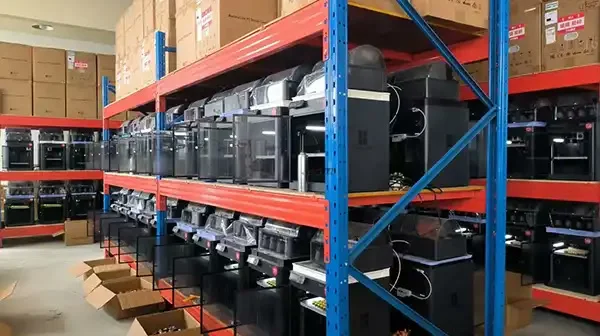
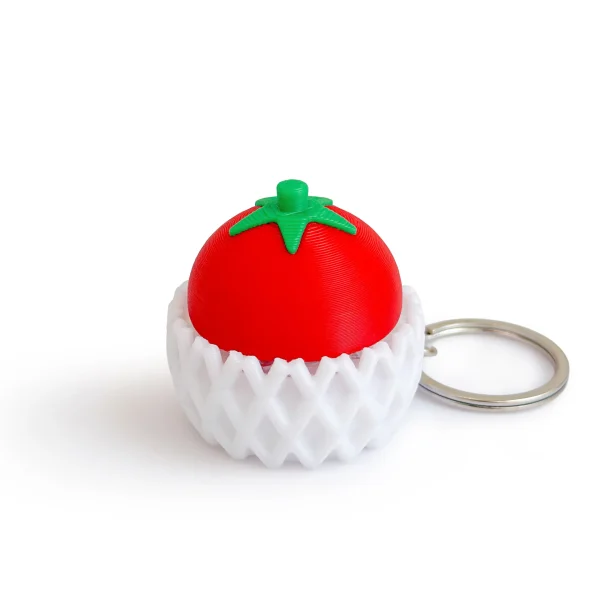
At TT3DPrint we design and manufacture our own clicker range on a 220-printer FDM farm built on Bambu Lab machines — the same production capability behind our custom printing services. Our current online lineup combines the two strongest trends in the category: food-inspired designs and pocketable keychain forms.
Meet the collection:
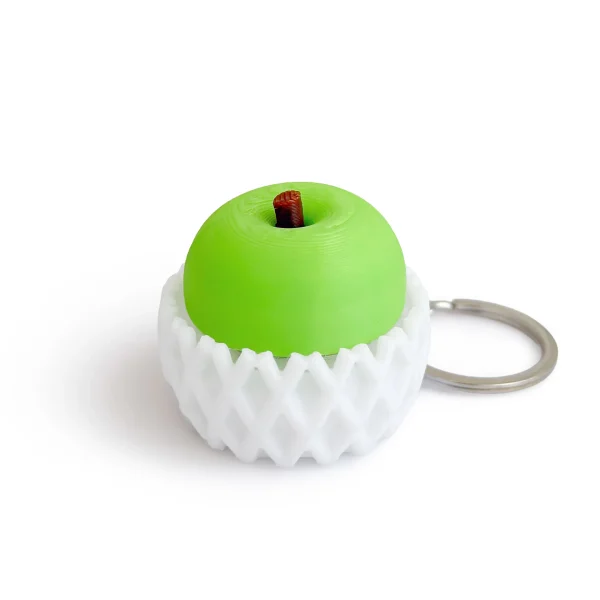
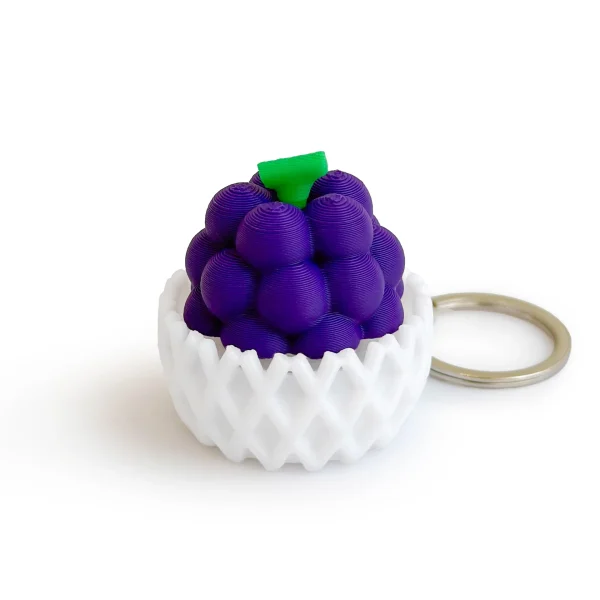
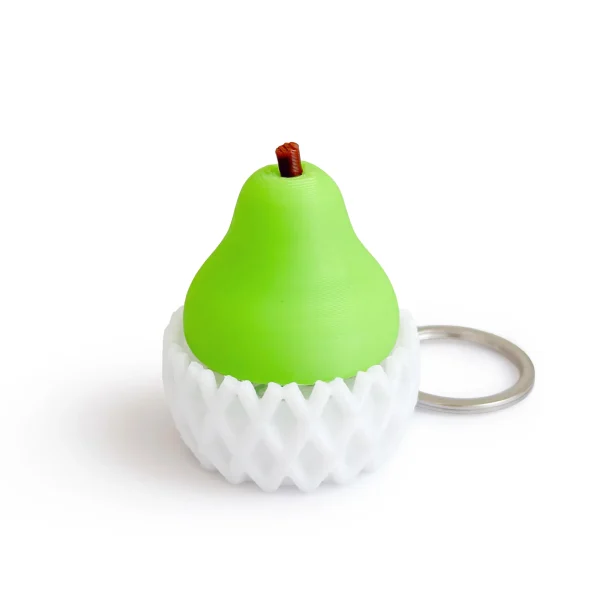
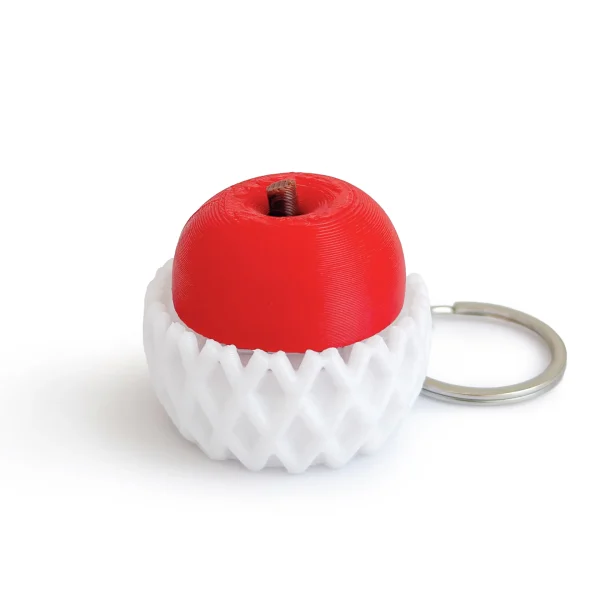
Built for Custom Orders, Too
Because every clicker is printed in-house, we are not limited to catalog designs. We produce custom clickers for events, brand promotions, and product launches — from one-off prototypes to batches of thousands. If you need a bespoke keycap shape, custom colors, or branded packaging, our team handles the full process from design file to worldwide shipping.
Send us your idea through our contact page and we will come back with a quote and a production timeline.
Conclusion
3D printed clickers are more than a passing fidget fad. They sit at the intersection of mechanical keyboard culture, EDC, and collectible toy design — and 3D printing is what makes their endless variety possible. Whether you want the perfect pocket gift, a desk companion that makes meetings bearable, or a custom design for your brand, the click is just getting started.