Inside Our 220-Printer Print Farm: Batch Production at Scale
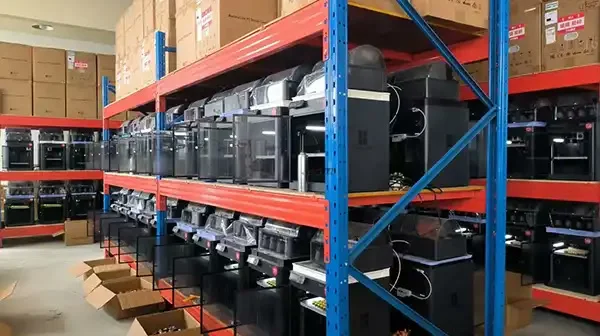
When most people picture 3D printing, they picture a single machine churning out one prototype on a desk. Our reality looks different: TT3DPrint runs a print farm of 220 Bambu Lab FDM printers on a local network, producing custom figurines, fidget clickers, educational tools and promotional items in batches — hundreds to thousands of units per order.
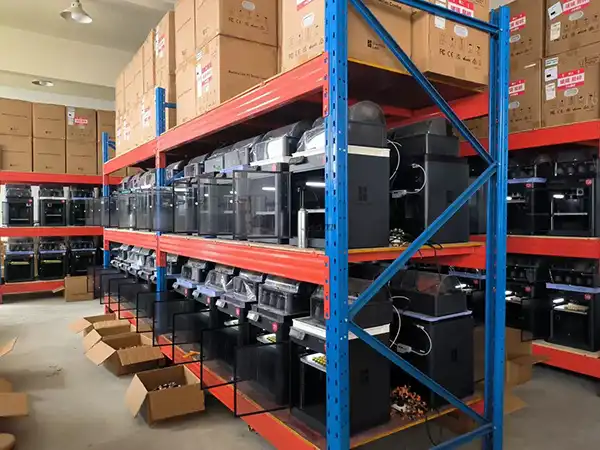
In this article we open the door to our own batch production setup: why more and more small-batch manufacturing is moving to print farms, how an order actually flows through 220 machines, and what that means for the cost and lead time of your project.
Why Batch Production Is Shifting to 3D Printing
Injection molding was once the only sensible answer for plastic parts at volume. That calculation has changed. In Formlabs’ widely cited race to 1,000 parts, two large-format resin printers finished a production run faster than a contract manufacturer’s molding line — and at roughly 85% lower cost for 1,000 units. Molding only becomes the cheaper path somewhere above 13,000 units for that part, once the mold is amortized.
The logic scales down cleanly to FDM print farms:
- No tooling fee. A mold costs thousands before the first part exists. A print file is free to duplicate, so a batch of 50 or 5,000 starts the same day.
- Zero lock-in on design. Want a different color, a revised click mechanism, or your logo embossed on the shell? Change the file or the filament — not a steel mold.
- Mix and match on one run. Production guides for Bambu fleets, such as BambuHub’s production printing guide, emphasize what print farms do best: filling build plates with many SKUs at once, so a mixed order of seven fruit clickers costs almost the same per unit as seven times the quantity of one.
Inside Our 220-Printer Farm
Our farm is built entirely on Bambu Lab machines connected over a local network — no cloud dependency for day-to-day job control. Managing that many printers used to mean a wall of browser tabs; today tools like Bambu Farm Manager give a single dashboard view of every machine: which printers are running, which plates are waiting for collection, and which jobs are queued next.
Three properties make a fleet this size work:
- Redundancy. One printer failing at 2 a.m. is a rounding error, not a missed deadline. Jobs are re-queued to idle machines and the batch keeps moving.
- Parallelism. A tray-based part that takes four hours to print takes four hours total when 200 machines print it together — not 800.
- Consistency. Identical machines, identical filament profiles, and a fixed QC step per batch mean unit #400 looks like unit #1.
How a Batch Order Actually Runs
Every bulk order at TT3DPrint follows the same pipeline:
- Quote. You send a design (or pick one of our existing products) and a quantity. Our quoting system calculates tray count, filament weight and a transparent per-unit price in minutes.
- Slicing and tray packing. Parts are arranged to fill each build plate densely, and color splits are packed per tray — the same tray never mixes colors, so we round trays per color instead of wasting plates.
- Parallel printing. The job is distributed across the fleet. A 1,000-piece fidget clicker order can occupy a large slice of the farm for a day or two, while smaller orders keep flowing around it.
- Quality control and finishing. Every batch is checked for layer consistency, switch action (on clickers), and surface defects before packing. Defective units are reprinted immediately from spare capacity, not deducted from your order.
- Packing and worldwide shipping. We ship globally via DHL, FedEx and UPS, with export-ready packaging for wholesale and marketplace sellers.
What We Produce in Bulk Today
Our own product line is the clearest proof of the workflow above: a seven-piece fidget clicker series, produced entirely in-house on the farm, keychain-ready and printed in vibrant PLA.
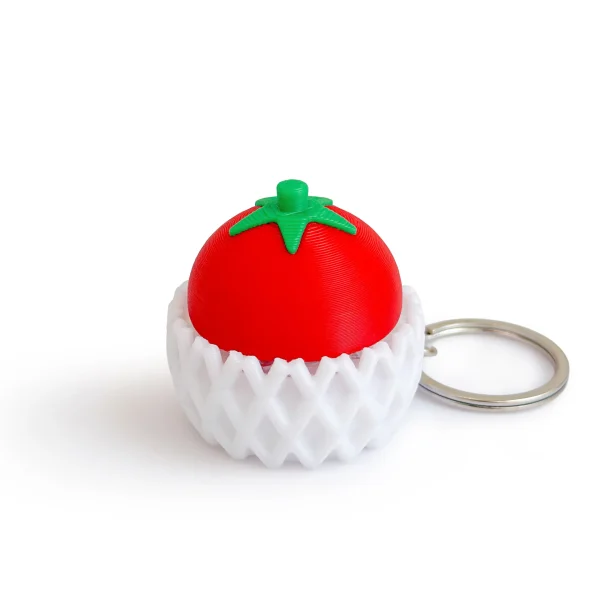
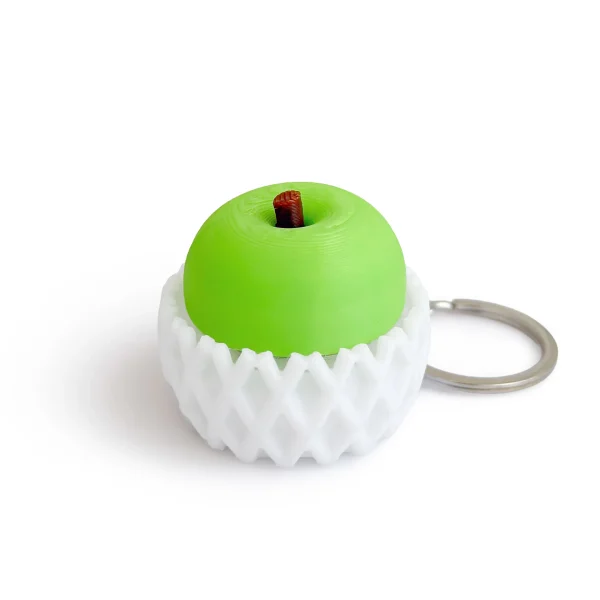
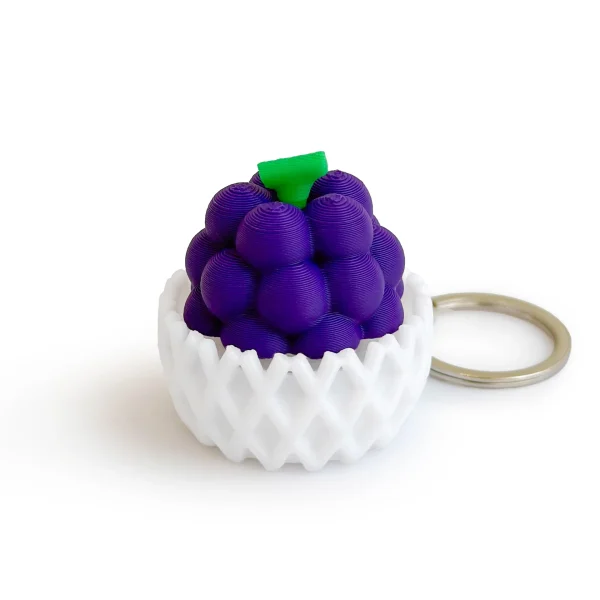
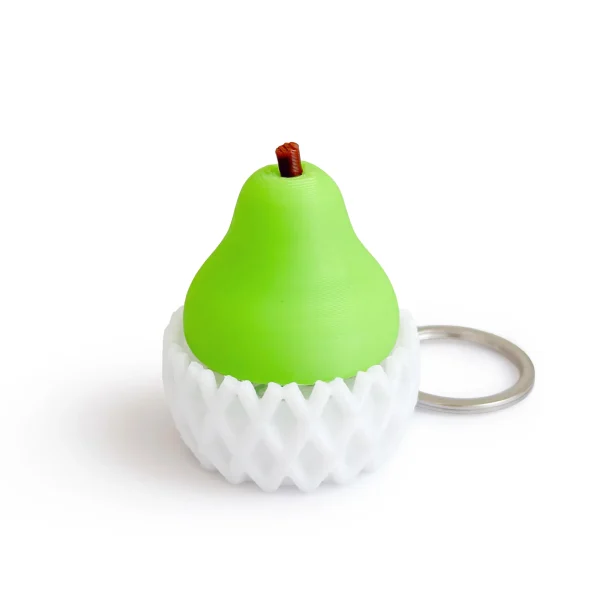
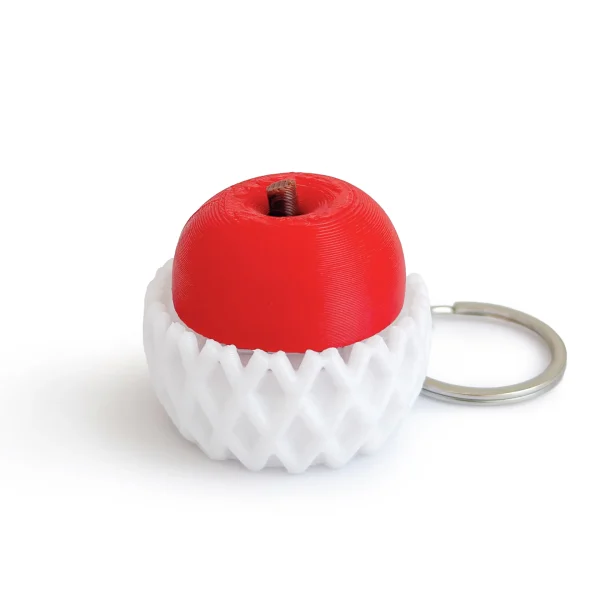
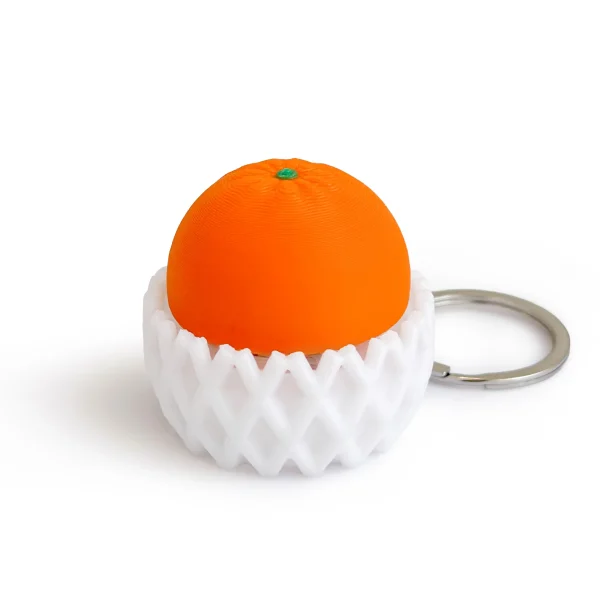
Beyond the catalog, the same pipeline produces custom figurines, classroom teaching aids, brand giveaways and short-run promotional runs for clients worldwide — anything that benefits from no-tooling, color-flexible, small-to-medium batch manufacturing.
What Batch Production Means for Your Budget
The economics are simple: no mold cost, so no minimum order quantity that exists just to justify tooling. Per-unit pricing falls as trays per order rise, because setup and QC are spread across more pieces — but you can start at 100 units as comfortably as at 10,000. For a realistic picture of where 3D printing beats molding and where it does not, the 13,000-unit crossover identified by Formlabs is a useful anchor: below it, print farms like ours are usually the cheaper route.
How TT3DPrint Can Help
Whether you want 200 branded clickers for a trade show, a private-label fidget line for your store, or a batch of custom figurines from your own 3D files, we can quote it fast and produce it on our 220-printer farm — with sample approval before the full run and worldwide delivery after it.
Need Custom 3D Printing in Batch?
Tell us your design, quantity and deadline. You will get a transparent per-unit quote and a sample before we commit the farm.
Conclusion
Batch production no longer requires a factory tooling budget or a ten-thousand-unit commitment. A well-run print farm — redundant machines, disciplined tray packing, and a real QC loop — turns small and medium batches into a commodity. That is exactly what 220 Bambu Lab printers, one quoting system, and a shipping label to anywhere in the world add up to at TT3DPrint.